Last Paycheck Laws by State: When Must Employers Pay You? (2026 Guide)
Last Paycheck Laws by State: When Must Employers Pay You?
You've quit your job—or been let go—and now you're wondering: When do I get my final paycheck?
The answer depends entirely on what state you work in, whether you quit or were fired, and your specific circumstances. Federal law provides minimal protection, leaving states to set their own rules—and those rules vary dramatically.
This comprehensive 2026 guide covers final paycheck laws for all 50 states, what you're owed beyond base wages, and exactly how to file a claim if your employer violates the law.
Quick Reference: How Quickly Must You Be Paid?
| Timing | States (Fired/Laid Off) |
|---|---|
| Immediately (same day) | California, Colorado, Montana |
| Within 24 hours | Missouri |
| Within 3 days | Minnesota |
| Next regular payday | Most states |
| Within 7-30 days | Varies |
Note: Rules often differ for voluntary resignation vs. termination. See state details below.
Federal Law: The Baseline
What the FLSA Says
The federal Fair Labor Standards Act (FLSA) requires that employees be paid, but it doesn't specify timing for final paychecks. It only requires:
- Payment of all wages owed
- Payment at regular intervals (at least monthly)
- No deductions reducing pay below minimum wage
Translation: Federal law won't help you if your employer is slow with your final check. You need state law.
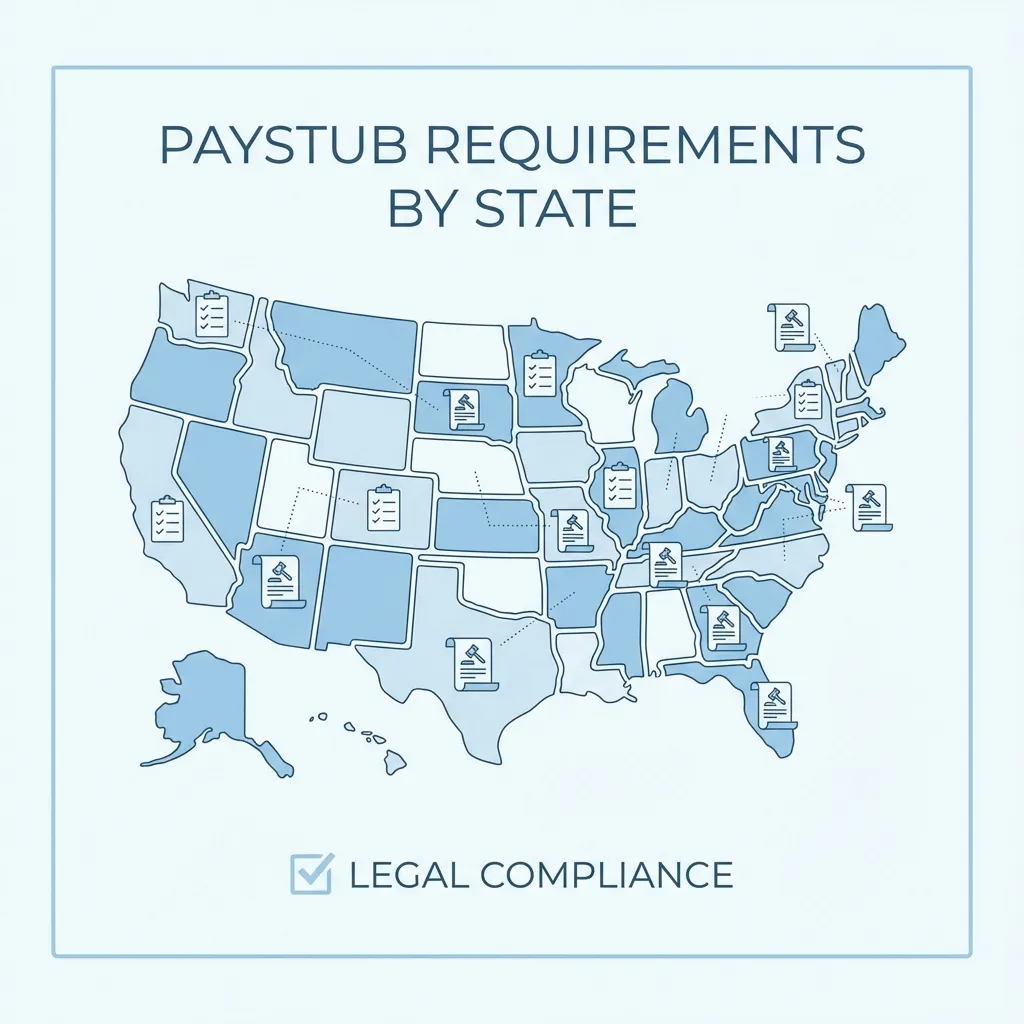
State-by-State Final Paycheck Laws
Alabama
- Fired: Next regular payday
- Quit: Next regular payday
- Notes: No specific statute; follows regular payroll requirements
Alaska
- Fired: Within 3 working days
- Quit: Next regular payday (or within 3 days if sooner)
- Notes: Penalty: Wages continue until final payment (up to 90 days)
Arizona
- Fired: Within 7 working days or next regular payday, whichever is sooner
- Quit: Next regular payday
- Notes: 3x wages penalty for willful non-payment
Arkansas
- Fired: Within 7 days of discharge
- Quit: Next regular payday
- Notes: If not paid within 7 days, wages continue at same rate
California
- Fired: Immediately (same day)
- Quit (no notice): Within 72 hours
- Quit (72+ hours notice): On last day of work
- Notes: STRONG enforcement. Waiting time penalty: 1 day's wages for each day late (up to 30 days)
Colorado
- Fired: Immediately
- Quit: Next regular payday
- Notes: Penalty: Up to wages owed plus 50% for delayed payment
Connecticut
- Fired: Next business day
- Quit: Next regular payday
- Notes: Double damages for intentional violations
Delaware
- Fired: Next regular payday
- Quit: Next regular payday
- Notes: No specific penalty statute
Florida
- Fired: Next regular payday
- Quit: Next regular payday
- Notes: No state statute; follows federal baseline
Georgia
- Fired: Next regular payday
- Quit: Next regular payday
- Notes: Must pay within 10 days of pay period end
Hawaii
- Fired: Immediately or next working day
- Quit: Next regular payday (or immediately if demanded)
- Notes: Strong employee protections
Idaho
- Fired: 10 days or next payday, whichever is sooner
- Quit (48 hours notice): On last day
- Quit (no notice): Within 10 days (or next payday)
- Notes: Willful failure: Wages continue for 15 days
Illinois
- Fired: Next regular payday
- Quit: Next regular payday
- Notes: May recover 2% per month penalty on unpaid wages
Indiana
- Fired: Next regular payday
- Quit: Next regular payday
- Notes: Wages due within 10 days of demand
Iowa
- Fired: Next regular payday
- Quit: Next regular payday
- Notes: Generally due within 30 days
Kansas
- Fired: Next regular payday
- Quit: Next regular payday
- Notes: 1% per day penalty for late payment
Kentucky
- Fired: Next regular payday (or within 14 days)
- Quit: Next regular payday (or within 14 days)
- Notes: State law tracks federal minimum wage requirements
Louisiana
- Fired: Within 15 days or next payday (whichever is sooner)
- Quit: Next regular payday
- Notes: 90-day penalty cap for delayed payment
Maine
- Fired: Next regular payday
- Quit: Next regular payday
- Notes: Must pay within reasonable time
Maryland
- Fired: Next regular payday
- Quit: Next regular payday
- Notes: 3x damages for unlawful withholding
Massachusetts
- Fired: Day of discharge
- Quit: Next regular payday (or sooner if company policy)
- Notes: STRONG protections; 3x damages for violations
Michigan
- Fired: As soon as amount can be determined
- Quit: As soon as amount can be determined
- Notes: Generally at next regular payday
Minnesota
- Fired: Within 24 hours if demand made
- Quit: Next payday (up to 20 days)
- Notes: Penalty: Wages double for delayed payment
Mississippi
- Fired: Next regular payday
- Quit: Next regular payday
- Notes: No specific statute
Missouri
- Fired: Day of discharge
- Quit: Next regular payday
- Notes: Penalty: Wages continue (up to 60 days)
Montana
- Fired: Immediately (if possible) or within 3 days
- Quit: Next regular payday
- Notes: Strong worker protections
Nebraska
- Fired: Next regular payday or within 2 weeks
- Quit: Next regular payday or within 2 weeks
- Notes: Applies to all employers
Nevada
- Fired: Within 7 days
- Quit: Next regular payday or within 7 days
- Notes: Penalty: Wages continue for up to 30 days
New Hampshire
- Fired: Within 72 hours
- Quit: Next regular payday
- Notes: Penalty: 10% per week late
New Jersey
- Fired: Next regular payday
- Quit: Next regular payday
- Notes: Additional penalties for wage theft
New Mexico
- Fired: Within 5 days
- Quit: Next regular payday
- Notes: Penalty: Additional percentage for late payment
New York
- Fired: Next regular payday
- Quit: Next regular payday
- Notes: Strong enforcement through NY DOL
North Carolina
- Fired: Next regular payday
- Quit: Next regular payday
- Notes: All wages due within 30 days
North Dakota
- Fired: Next regular payday
- Quit: Next regular payday
- Notes: Standard requirements
Ohio
- Fired: Within 15 days or next payday
- Quit: Within 15 days or next payday
- Notes: Applies to employers with 5+ employees
Oklahoma
- Fired: Next regular payday
- Quit: Next regular payday
- Notes: Standard requirements
Oregon
- Fired: End of first business day after termination
- Quit (48 hours notice): On last day
- Quit (no notice): Within 5 days (excluding weekends/holidays)
- Notes: Penalty: 8 hours' wages per day late (up to 30 days)
Pennsylvania
- Fired: Next regular payday
- Quit: Next regular payday
- Notes: Fringe benefits may have different rules
Rhode Island
- Fired: Next regular payday
- Quit: Next regular payday
- Notes: Standard requirements
South Carolina
- Fired: Within 48 hours or next regular payday
- Quit: Next regular payday
- Notes: 48-hour rule for terminated employees
South Dakota
- Fired: Next regular payday (or on demand)
- Quit: Next regular payday
- Notes: Must pay if employee demands
Tennessee
- Fired: Next regular payday (or within 21 days)
- Quit: Next regular payday (or within 21 days)
- Notes: Applies to employers with 5+ employees
Texas
- Fired: Within 6 days
- Quit: Next regular payday
- Notes: Applies to all employers
Utah
- Fired: Within 24 hours
- Quit: Within 72 hours if notice given
- Notes: Strong employee protections
Vermont
- Fired: Within 72 hours
- Quit: Last regular payday or next Friday
- Notes: Penalty: Wages continue up to 6 weeks
Virginia
- Fired: Next regular payday
- Quit: Next regular payday
- Notes: Standard requirements
Washington
- Fired: End of pay period
- Quit: End of pay period
- Notes: Payment at regular pay interval
West Virginia
- Fired: Within 72 hours
- Quit: Next regular payday
- Notes: Strong worker protections
Wisconsin
- Fired: Next regular payday (or within 6 days of demand)
- Quit: Within 15 days or next payday
- Notes: Penalty provisions for delayed payment
Wyoming
- Fired: Next regular payday (or within 5 days)
- Quit: Next regular payday (or within 5 days)
- Notes: Standard requirements
What's Included in Your Final Paycheck?
Definitely Owed
- Earned wages: Hours worked but not yet paid
- Accrued vacation: If company policy provides for payout
- Earned commissions: Even if not yet paid
- Earned bonuses: If already earned/accrued
State-Dependent
- Unused sick leave: Rarely required to be paid out
- Unused PTO: Depends on state law and company policy
- Severance: Only if contractually agreed
Not Typically Owed
- Future vacation time: Not yet accrued
- Un-earned bonuses: Based on future performance
- Reimbursements: May require separate claim
What to Do If Your Final Check Is Late
Step 1: Document Everything
- Record the date of termination/resignation
- Note when final pay was due (per state law)
- Keep communication records with employer
Step 2: Send Written Demand
[Date]

[Employer Name]
[Address]

RE: Demand for Final Wages - [Your Name]

Dear [HR/Employer],

I was employed at [Company] from [Start Date] to [End Date]. My last day of work was [Date].

Under [State] law, final wages are due [specific requirement]. As of this date, I have not received my final paycheck.

Wages owed: $[Amount]
Pay period: [Dates]

Please remit payment within [X] days to avoid escalation to the state labor agency and potential penalties.

[Your Name]
[Contact Information]
Step 3: File a Wage Claim
If the employer doesn't respond:
-
Find your state's labor department:
- DOL.gov maintains directory
- Search "[State] wage claim"
-
Complete wage claim form:
- Include employment dates
- Amount owed
- Supporting documentation
-
Submit and wait:
- Agency investigates
- May schedule hearing
- Can order payment plus penalties
Step 4: Consider Legal Action
For significant amounts, consult an employment attorney:
- Many offer free consultations
- May work on contingency
- Can pursue additional damages
Penalties Your Employer May Face
California Example
California has the strictest penalties:
- Waiting time penalty: 1 day's wages for each day late
- Maximum: Up to 30 days' wages
- Example: $200/day wage × 30 days = $6,000 penalty on top of wages owed
Common Penalty Types
- Continued wages: Wage rate continues accumulating
- Multiplied damages: 2x or 3x wages owed
- Interest: Percentage per month delayed
- Attorney fees: Employer pays your legal costs
Special Situations
Did the Company Close?
If the business is bankrupt or closed:
- File claim with state agency anyway
- Check for state wage insurance programs
- Contact bankruptcy trustee if applicable
Are They Withholding for "Damages"?
Employers generally cannot:
- Deduct for broken equipment
- Withhold for last-minute expenses
- Hold pay as "ransom" for returned property
These must be pursued separately; they can't reduce final pay below minimum wage.
I'm a Commission Employee
Commission owed is part of final pay. If employer disputes amount:
- Document your calculated commissions
- Reference commission agreement
- Include in wage claim
Frequently Asked Questions
Can my employer mail my final check?
Yes, unless state law requires immediate payment. Mailing is acceptable if it arrives within legal timeframe.
What if I owe my employer money?
They generally cannot withhold wages to cover debts. They can pursue collection separately.
Do these laws apply to contractors?
Final paycheck laws typically apply to employees, not independent contractors. Contractor payment disputes follow contract law.
What if I'm owed less than $100?
Still file anyway. The principle matters, and penalties often exceed the base wages.
Prevention: Protecting Yourself
Before You Leave Any Job
- Know your state's law - Review timeline requirements
- Document your hours - Keep personal records
- Calculate vacation payout - Know what you're owed
- Get everything in writing - Request termination letter
For Employers
Using professional pay stub systems like ValidPaystubs helps:
- Maintain accurate records
- Calculate final pay correctly
- Generate documentation for final payment
- Avoid wage claim disputes
Need professional pay stub documentation?
Accurate final pay calculation. Professional documentation. Avoid disputes.
Sources & References

About ValidPaystubs Editorial Team
Articles on ValidPaystubs are written and maintained by the editorial team at Sweethelp LLC, the company that operates this site from Sheridan, WY. We are a small team, not a firm of accountants — we build the tool and document how US payroll figures work, citing the IRS and state revenue departments so you can check any number against its source. Nothing here is tax, legal or financial advice, and for a decision that matters you should talk to a licensed professional.
View Profile